
Connecting our portfolio to industrial applications
Helida's CNC milling product materials include UAV component examples and new energy component examples. These groups sit alongside brackets, mounts and other precision hardware in the website portfolio. They provide a useful starting point for buyers who need a manufacturer to review custom mounting or structural components against a drawing.
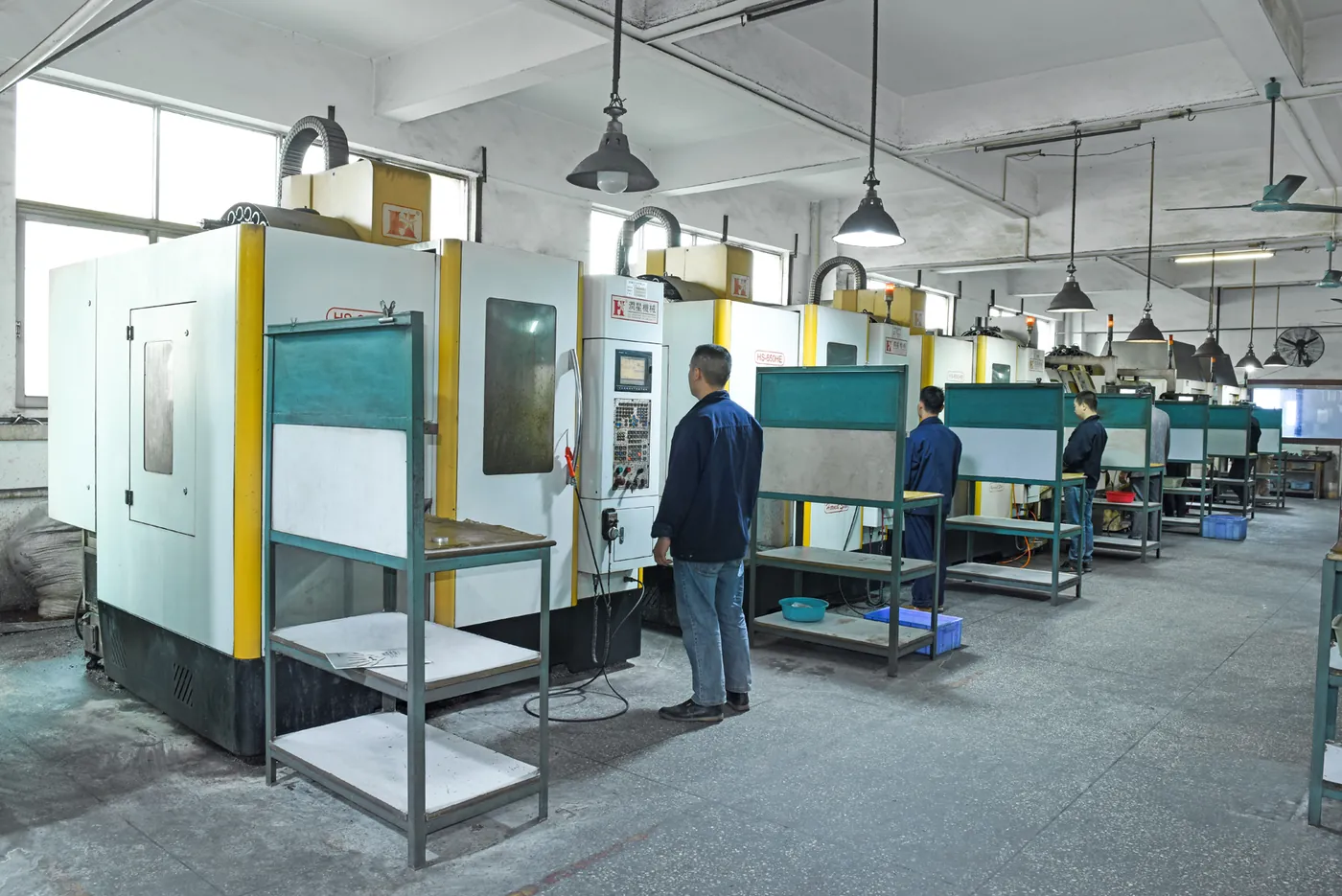
The Applications page uses a generic industry scene to illustrate the relationship between UAV projects and new energy environments. The scene is an illustration of an application area, not a photograph of a Helida-built aircraft, energy installation or named customer project. The actual component portfolio and the submitted project drawing are the basis for a manufacturing discussion.
Define interfaces before comparing appearances
A mounting or structural component usually has to work with other parts. Its hole locations, mating faces, fastener access and surrounding clearances may be more important than its general silhouette. Buyers should explain the interfaces that determine whether the component can be assembled as intended.
An assembly view or a short explanation of the installation can help communicate those relationships. It is especially useful when a feature has a purpose that is not obvious from the isolated part. Clear context allows open questions to be raised before the geometry is treated as fully understood.
Discuss weight, material and finish together
If weight is a project requirement, describe how it will be evaluated and which design constraints remain fixed. A request to make a component lighter is different from a released drawing with an agreed material and geometry. The manufacturer needs to know whether you are asking for a quotation, a technical discussion or review of a possible design change.
Specify the required material grade and finishing process. Where a coating, protected surface or appearance requirement affects assembly, include that information in the drawing package. Changes to material or finishing should be reviewed through the project's approval process rather than inferred from the look of a reference photograph.
Explain the operating context without assuming qualification
The names UAV and new energy cover many different assemblies and operating conditions. They do not establish a universal component specification. Buyers should provide the requirements that apply to their own project and identify any additional customer qualification or documentation steps.
If environmental exposure, handling, identification or packaging instructions matter, raise them in the enquiry. A clear list helps separate the component manufacturing discussion from wider system requirements that may require additional evidence or review. It also gives the parties a better basis for deciding what belongs within the quotation scope.
Begin with a controlled drawing package
Send the current drawing and, where available, a matching model. Identify their revision and the document that controls the manufacturing requirements. Include the material, quantity, finish and requested delivery timing, together with the features and inspection records that matter most to acceptance.
If the design is still evolving, identify the open questions and separate them from confirmed requirements. This allows a technical suggestion to remain clearly distinguishable from an approved change, and helps avoid comparing quotations based on different assumptions.
Browse the CNC Milling Parts collection and Applications page for portfolio context. To discuss your own UAV or new energy component, contact Helida with the drawing package and application requirements. The next step is a project-specific review, not an assumption that a portfolio label alone establishes suitability.
Explain the assembly rather than relying on the industry name
Two components associated with UAV or new energy projects may have very different functions. One may locate another part, another may provide a mounting interface, and another may form part of a larger structural arrangement. Explain the role of the component and identify the interfaces that must be understood to review the drawing. This gives the manufacturer useful context without asking it to infer the design intent from a category title.
If your project includes more than one related part, identify how the components interact and which files belong together. Make it clear whether the enquiry concerns individual parts or a coordinated discussion of several components. This helps keep the technical review organized and prevents an assembly relationship from being overlooked because each file was considered in isolation.
Make lightweighting requests precise
If weight is a design concern, distinguish an agreed requirement from a request to explore alternatives. A released drawing with a defined material is different from an early discussion about possible changes. Identify which constraints are fixed, which features may be reviewed and who can approve a proposed change within your organization.
Do not treat a general request to reduce weight as permission to alter the component without review. Ask for proposals to be identified separately from the original requirement. Your team can then evaluate them through its own design process. This preserves the distinction between manufacturing discussion and approved component specification, particularly when the enquiry is still at a development stage.
Consider installation and access information
A component may fit dimensionally while still raising questions about access for assembly or surrounding clearances. If these relationships are relevant to the part, provide an assembly view or the controlled interface information needed to explain them. A drawing of the isolated component may not show the full context of an installation.
The manufacturer should not have to guess which adjacent surfaces or fastener locations matter most. Identify the features that control the installation and explain any requirement that cannot be understood from the part drawing alone. Where the information remains provisional, label it accordingly so it is not mistaken for a released instruction.
Clarify finishing and protected surfaces
Describe the finish required for the proposed component and identify any protected areas. If a visible appearance is important, explain how it will be evaluated. If a mating surface has particular requirements, make them explicit rather than assuming that a general finishing note communicates every necessary detail.
Keep changes visible if the finishing specification evolves. A different appearance preference can become a different supply condition, so it should be reviewed against the drawing and purchasing requirements. Identify the revised instruction and request confirmation rather than carrying a discussion of one finish into another without checking the effect on the proposed component.
Keep timing connected to the actual project
State whether the enquiry concerns a sample, an evaluation quantity or a proposed production requirement. If there are several quantity options, list them clearly. A timing discussion is more useful when it refers to a defined component and scope than when it relies on a general expectation taken from an unrelated part.
If the design is not yet released, identify the milestone you are planning toward. The parties can distinguish the timing needed for a technical response from the timing that might be discussed for supply after requirements are agreed. This avoids treating an early planning conversation as a confirmed production schedule.
Review application-specific qualification directly
The UAV and new energy labels cover broad areas of industrial activity. They do not establish a universal qualification standard for every component. If your organization requires additional documents, a particular approval process or evidence beyond a drawing review, identify that need directly and ask how it can be addressed within the proposed supplier discussion.
Avoid drawing conclusions about a completed system from a generic application scene or a portfolio component photograph. The images help visitors navigate the website, while the project requirements define what must be reviewed. Maintaining that distinction supports clear communication and gives the buyer a more reliable basis for evaluating the actual proposal.
Prepare feedback that leads to a decision
When reviewing a proposal or sample, reference the component name, revision and requirement. Identify the feature or document that needs attention and explain whether you are asking for clarification or making an approved change. A focused record helps the project move forward without losing the distinction between a technical question and a revised instruction.
For a developing project, also identify which assumptions are temporary. A planning quantity, provisional finish or early assembly reference should be labeled so it is not confused with a released requirement. When the project reaches the next stage, confirm the updated package rather than relying on an earlier exploratory conversation. This keeps the proposed component and the buyer's decision aligned.
About Dongguan Helida Hardware
Dongguan Helida Hardware Co., Ltd. is based in Dalang Town, Dongguan, Guangdong, China. The company's introduction traces the business to 2001. Its website presents CNC turning, CNC milling and CNC turn-mill component examples, supported by company-supplied factory photographs and quality information. The product collections are intended to help visitors identify a relevant starting point for a drawing-based enquiry.
The About Us page includes a factory exterior photograph, a workshop photo carousel, a production line image and views of the reception and team meeting. The Quality and Inspection page presents the supplied ISO 9001:2015 quality management system certificate. These sources provide company context and should be considered alongside the requirements of the actual component being reviewed.
For a project discussion, contact [email protected] or use the Contact Us page. Include the current drawing or sample information, material, finish, quantity and requested timing. Identify any special inspection, documentation or supplier review requirements. Technical details and commercial terms need confirmation for each project; portfolio examples and general website information do not replace an agreed component specification.