
A component portfolio for technical discussion
Helida's supplied product materials include air valve components, connector fittings and turn-mill valve or fluid control component examples. These related groups appear across the CNC Turning Parts and CNC Turn-Mill Parts collections. This company spotlight introduces the portfolio and the information that helps make an enquiry more specific.
A component's use in a fluid-related assembly depends on more than its external appearance. Geometry, material, connection details, finishing and acceptance requirements need to be reviewed together. A catalogue image is a useful reference, but it does not define a universal pressure rating, fluid compatibility or approval for a customer's operating conditions.
Describe the connection and mating features
Threads, bores, shoulders and seating surfaces can each have a distinct role in an assembly. Buyers should identify the features that locate, retain or connect the component, and provide the relevant mating information where it is needed to understand the drawing. This helps distinguish a general shape from the features that control its function.
Thread instructions should be clear enough to identify the intended connection. If a gauge, mating component or reference fitting will be used during evaluation, describe it in advance. Avoid leaving the manufacturer to choose a connection from a photograph when the actual specification can be supplied with the enquiry.
Identify the material and supply condition
Material requirements should be stated as a specification rather than an assumption based on color. A brass-colored photograph does not establish the grade of material required for a different component. Provide the approved material details and ask explicitly about any documentation that your purchasing process requires.
The supply condition may also include surface finishing, protected features, cleanliness instructions or particular handling requirements. If these expectations are important to assembly or acceptance, include them before the quotation is agreed. They should be considered as part of the project scope rather than added after the manufacturing discussion has concluded.
Agree what will be checked
Inspection questions should focus on the actual component specification. Identify critical dimensions and relationships, and request the report or record format needed for your approval process. If a functional test is required, explain the test conditions and the evidence expected so its scope can be reviewed directly.
Do not assume that a general machining enquiry includes every test that might apply to a finished fluid system. The part, subassembly and complete system may have different requirements. Clarifying those boundaries helps the buyer and manufacturer understand what is being quoted and which questions still need a separate decision.
Use examples to explain your project
The CNC Turning Parts collection includes air valve and connector examples, while CNC Turn-Mill Parts includes valve and fluid control component examples. Refer to an example if it helps explain the general component family, then provide the actual project drawing and requirements.
Include the current revision, material, finish, quantity and requested timing. Highlight threads, sealing-related surfaces or other features that require particular attention, and identify the inspection documentation you need. If the project begins with a sample, explain its approval status and any changes you intend to make.
Visit Quality and Inspection for company quality information, or contact Helida to discuss your component. Clear requirements help turn a broad application category into a focused manufacturing conversation with a defined scope and agreed next steps.
Describe the component boundary clearly
A connector or valve-related component may be supplied as one part within a larger assembly. Explain the boundary of the requested work and the role of any surrounding parts or customer-supplied references. This helps distinguish a component manufacturing enquiry from a request concerning a completed system, which may involve additional requirements outside the scope initially described.
If the enquiry includes a test, an assembly step or documentation beyond the machined component itself, identify that work explicitly. The manufacturer can then review what is being requested and ask for any missing information. Leaving the boundary unstated can create a misleading impression that a general component quotation includes every activity associated with the final application.
Treat connection information as a controlled requirement
Connection features should be described in the drawing package with enough detail to avoid a choice based only on appearance. Identify the intended thread and mating information, together with any relevant reference document. If a physical fitting is supplied for evaluation, explain its status and the purpose it serves in the review.
Where several versions of a connection are being considered, label the options separately. A change in one feature may represent a different component specification rather than a minor variation that can be assumed acceptable. Ask for alternatives to be identified clearly so your team can review them against the intended assembly before making an approval decision.
Keep operating conditions separate from machining capability
The ability to discuss the geometry of a component does not establish its suitability for every fluid or operating environment. Buyers should provide the requirements that apply to their own project and identify the evidence expected from the supplier. Where the requirement relates to a completed system, explain how the component supplier's role fits into that wider evaluation.
Do not use an industry category as a substitute for a defined specification. A general label such as fluid control can cover very different requirements. A focused enquiry identifies the component, its material and acceptance criteria, while making any additional qualification questions visible for a separate review rather than leaving them to assumption.
Explain cleanliness and handling instructions directly
If the component has particular cleanliness or handling requirements, provide the actual instruction and explain how acceptance will be assessed. A broad request for clean parts can be interpreted differently by different organizations. A controlled requirement allows a practical discussion about the requested supply condition and what needs to be confirmed before an order is agreed.
Packaging instructions should also be tied to their purpose. If a surface needs protection or different parts must remain separated, identify that concern in the enquiry. Explain whether the instruction applies to an initial sample or the proposed production supply. This gives both parties a clearer understanding of the scope and avoids relying on an unstated expectation introduced later.
Decide what a test request means
A test requirement needs a defined purpose and acceptance basis. Explain what is to be checked, the conditions that apply and the record expected. Ask for confirmation of the scope rather than assuming that a general manufacturing quotation includes a test simply because the component belongs to a valve-related category.
If the test is carried out within the customer's assembly, explain what information is needed from the component supplier to support that evaluation. This helps distinguish a dimensional or documentation request from a broader functional responsibility. The discussion can then focus on what has been requested, what evidence is available and what still needs a separate decision.
Maintain traceable changes and feedback
When a drawing or supply instruction changes, identify the revision and describe the change clearly. If the component has already been discussed against a previous version, explain which instruction is replaced. Do not assume that a later message about one feature automatically updates every related requirement without a controlled review.
For sample feedback, identify the part and the requirement being evaluated. Distinguish an observed difference from a decision to alter the design. This makes the record more useful to both engineering and purchasing teams and gives the manufacturer a clearer basis for responding to the actual issue rather than guessing what a general comment is intended to mean.
Questions for a focused fluid component enquiry
Ask which connection details require clarification, whether the proposed supply condition is fully defined and what inspection or supporting records can be included in the quotation. Identify any qualification or test requirement before the scope is agreed. These questions help convert a broad application interest into a specific discussion of a drawing-based component with a clear next step.
If several component variants are included in the same enquiry, provide a separate reference for each one. Identify the common requirements and the differences without asking the recipient to infer them from similar file names. This helps ensure that a question about one connector, thread or material is not accidentally applied to another version in the same project package.
About Dongguan Helida Hardware
Dongguan Helida Hardware Co., Ltd. is based in Dalang Town, Dongguan, Guangdong, China. The company's introduction traces the business to 2001. Its website presents CNC turning, CNC milling and CNC turn-mill component examples, supported by company-supplied factory photographs and quality information. The product collections are intended to help visitors identify a relevant starting point for a drawing-based enquiry.
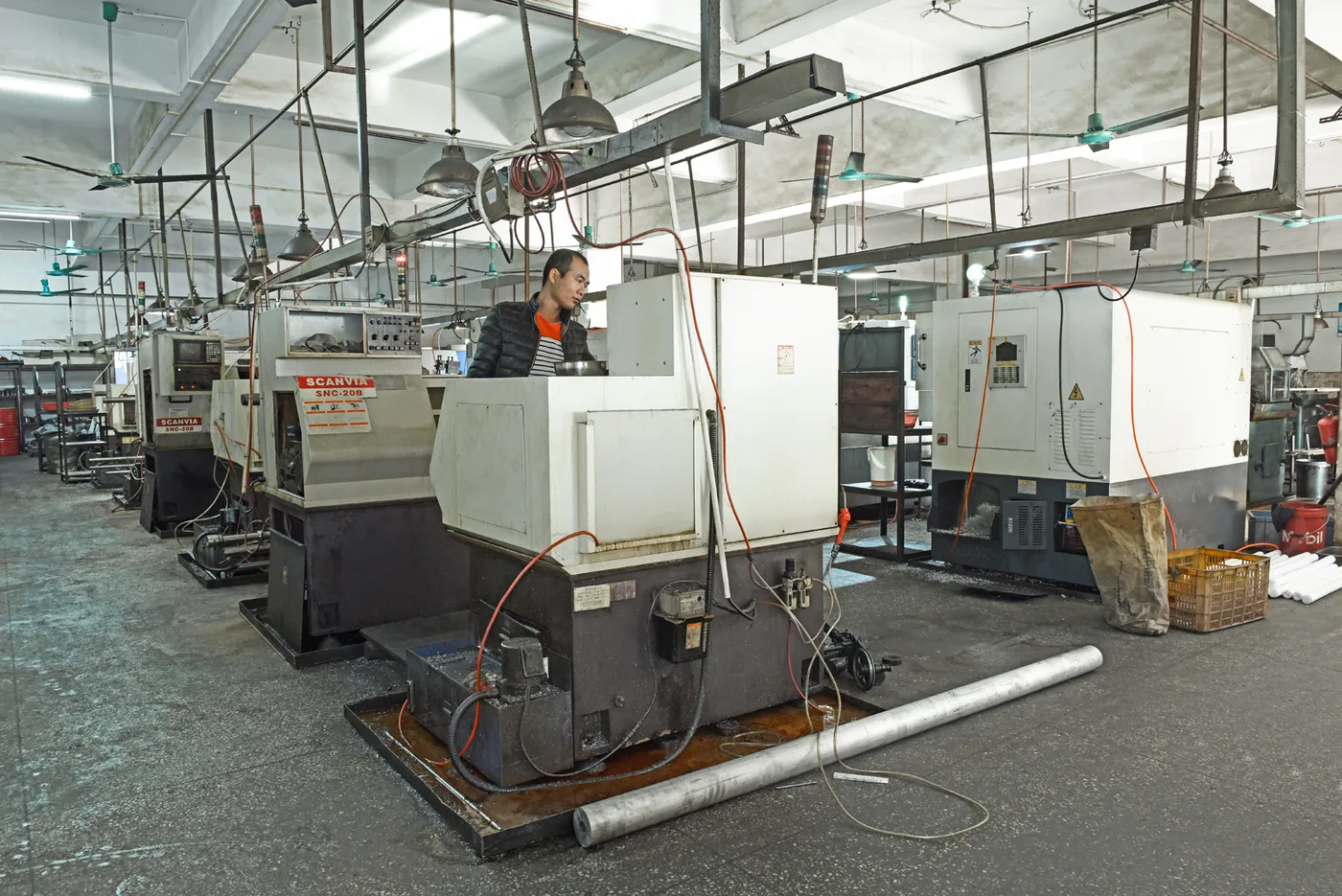
The About Us page includes a factory exterior photograph, a workshop photo carousel, a production line image and views of the reception and team meeting. The Quality and Inspection page presents the supplied ISO 9001:2015 quality management system certificate. These sources provide company context and should be considered alongside the requirements of the actual component being reviewed.
For a project discussion, contact [email protected] or use the Contact Us page. Include the current drawing or sample information, material, finish, quantity and requested timing. Identify any special inspection, documentation or supplier review requirements. Technical details and commercial terms need confirmation for each project; portfolio examples and general website information do not replace an agreed component specification.