
Introducing the medical component portfolio
Helida's product materials include CNC milled medical equipment components and CNC turned prosthetic component examples. These product groups form part of the wider precision hardware portfolio presented on our website. This company spotlight introduces the examples and explains the information buyers should bring to a discussion of a new component.
The portfolio describes component work rather than the manufacture or approval of a complete medical device. A component image should not be interpreted as evidence that a finished device, clinical application or regulatory requirement has been approved. Buyers should identify the actual function, specifications and qualification requirements of their project when contacting our team.
Focus on the component's role
Medical equipment assemblies can contain many different kinds of mechanical parts. A mounting component, locating feature or connecting part may serve a very different purpose from another component with a similar appearance. A useful enquiry therefore explains how the proposed part fits into its surrounding assembly.
Identify the surfaces and dimensions that control fit, alignment or retention. If the component will mate with another part, provide the relevant interface information or an assembly view where possible. This context supports the review of the drawing without requiring the manufacturer to infer the part's function from its outline alone.
Make the material and finish requirements explicit
Material instructions should identify the required grade and any supporting documentation needed for your purchasing process. A general description such as metal or stainless steel is not enough to establish a controlled project specification. If an alternative material may be considered, request a separate discussion rather than leaving the substitution decision open.
Surface requirements also need clear definition. Explain the requested finishing process, any areas to protect and the way visible surfaces will be evaluated. Where cleanliness, handling or packaging requirements apply, provide the relevant instructions with the enquiry so the scope can be reviewed before a quotation is agreed.
Separate qualification from dimensional review
A supplier may be able to discuss a drawing while further customer qualification steps remain outstanding. These are different stages of a purchasing decision. If your organization requires particular documentation, approval records or supplier onboarding steps, raise them early and confirm what will be available for review.
Helida's website presents company-supplied ISO 9001:2015 quality information. Buyers should review the named company and stated scope directly, alongside their own project requirements. That quality management system information does not replace application-specific requirements or establish regulatory approval of a medical device or prosthetic system.
Prepare a useful first enquiry
For a medical equipment component discussion, send the current drawing, material specification, finish, quantity and requested timing. Highlight critical dimensions and identify the inspection or material documentation that must accompany the supply. Explain whether a sample is intended for evaluation, fit checking or another agreed approval purpose.
If you are reviewing an existing part, identify which requirements are fixed and whether any changes are being considered. Keep exploratory alternatives separate from the released specification so the technical discussion and quotation can refer to the same version of the component.
Explore our Applications page, browse the CNC Milling Parts and CNC Turning Parts collections, or review Quality and Inspection. When your component information is ready, contact Helida to discuss the project scope and the requirements that need confirmation before an order proceeds.
Put application requirements into a usable document
An application description can explain why a component matters, but it should be connected to assessable requirements. Identify the features, material instructions and documentation needed for the proposed supply. If your organization uses internal standards, provide the relevant content or explain how access will be arranged. A reference that the supplier cannot interpret or review may leave an important requirement unresolved.
Keep the enquiry focused on the component work being requested. A broad description of a finished device does not automatically identify the manufacturer's responsibility for one part within it. Explain which requirements apply to the machined component and which are evaluated elsewhere in the customer's assembly or qualification process. This makes the review more precise and avoids assigning an unstated scope through an application label alone.
Identify the approval stage accurately
A component can be under design review, requested for evaluation or defined for a purchasing discussion. These stages should not be treated as identical. Tell Helida whether the drawing is released, whether changes remain open and what the requested sample or quotation is intended to support. Clear status information helps the manufacturer understand which requirements are fixed and which need further discussion.
If several approvals are required within your organization, identify their effect on the component specification. An appearance review, an engineering review and a supplier document review may involve different evidence. Establish the requirements for each relevant stage rather than assuming one successful review completes the entire qualification process for the proposed application.
Keep component claims within the available evidence
A photograph of a machined part can support a discussion of geometry, but it does not demonstrate suitability for every medical application. Likewise, a general company quality document does not establish approval of a finished medical device. Buyers should evaluate the specific requirements of their own project and ask directly for the evidence that their organization needs.
This distinction also applies to website illustrations. An image of medical equipment communicates an industry area; it should not be read as a claim about a named customer or a completed installation. Helida's component examples and company information provide context, while project-specific evidence and agreed requirements support the actual purchasing decision.
Explain material documentation expectations
If a material document is required, identify what information it must contain and how it will be reviewed. A request for a certificate without further detail can be interpreted in different ways. Providing your actual requirement gives the manufacturer a clearer basis for confirming what can be included in the proposed scope and whether further clarification is needed.
The same applies to a proposed material alternative. Ask for a separate review and follow your organization's approval process before treating the change as accepted. A material family name or a similar appearance is not a sufficient basis for assuming equivalence. Keep the approved material requirement visible in the controlled drawing package and quotation discussion.
Address handling and packaging as requirements
Where a component requires particular protection, separation, cleanliness or identification, describe the instruction and the acceptance basis. Do not rely on the application name to communicate a complete handling standard. A manufacturer needs the actual requirement to review the requested supply condition and understand what is expected beyond the component geometry.
If your organization has a controlled packaging instruction, include it early enough to be considered with the enquiry. Identify whether it applies to samples, production quantities or both. This prevents a requirement for one stage from being carried into another without discussion and supports a clearer comparison between proposals that may otherwise include different assumptions.
Evaluate samples against the agreed purpose
A sample should be reviewed against the purpose established for that stage of the project. Identify the characteristics to evaluate and the documents to consider. If feedback leads to a design change, issue a revised instruction and distinguish it from a question about whether the original requirement was met. That separation helps keep the record of the project understandable.
Avoid using a sample approval as an undefined approval of every future condition. If requirements change, review them directly. If the purchasing team needs additional documents or a different evaluation stage before an order can proceed, make that step visible. The objective is a clear understanding of the component and the evidence needed for the next decision.
Questions worth asking at the beginning
Useful questions include whether the supplied drawing package is complete, which acceptance requirements need clarification and what documentation can be included in the quotation. Ask how a proposed change should be submitted for review and explain the approval steps your organization requires. These questions support a more focused discussion than a general request for medical-grade parts without a defined specification.
About Dongguan Helida Hardware
Dongguan Helida Hardware Co., Ltd. is based in Dalang Town, Dongguan, Guangdong, China. The company's introduction traces the business to 2001. Its website presents CNC turning, CNC milling and CNC turn-mill component examples, supported by company-supplied factory photographs and quality information. The product collections are intended to help visitors identify a relevant starting point for a drawing-based enquiry.
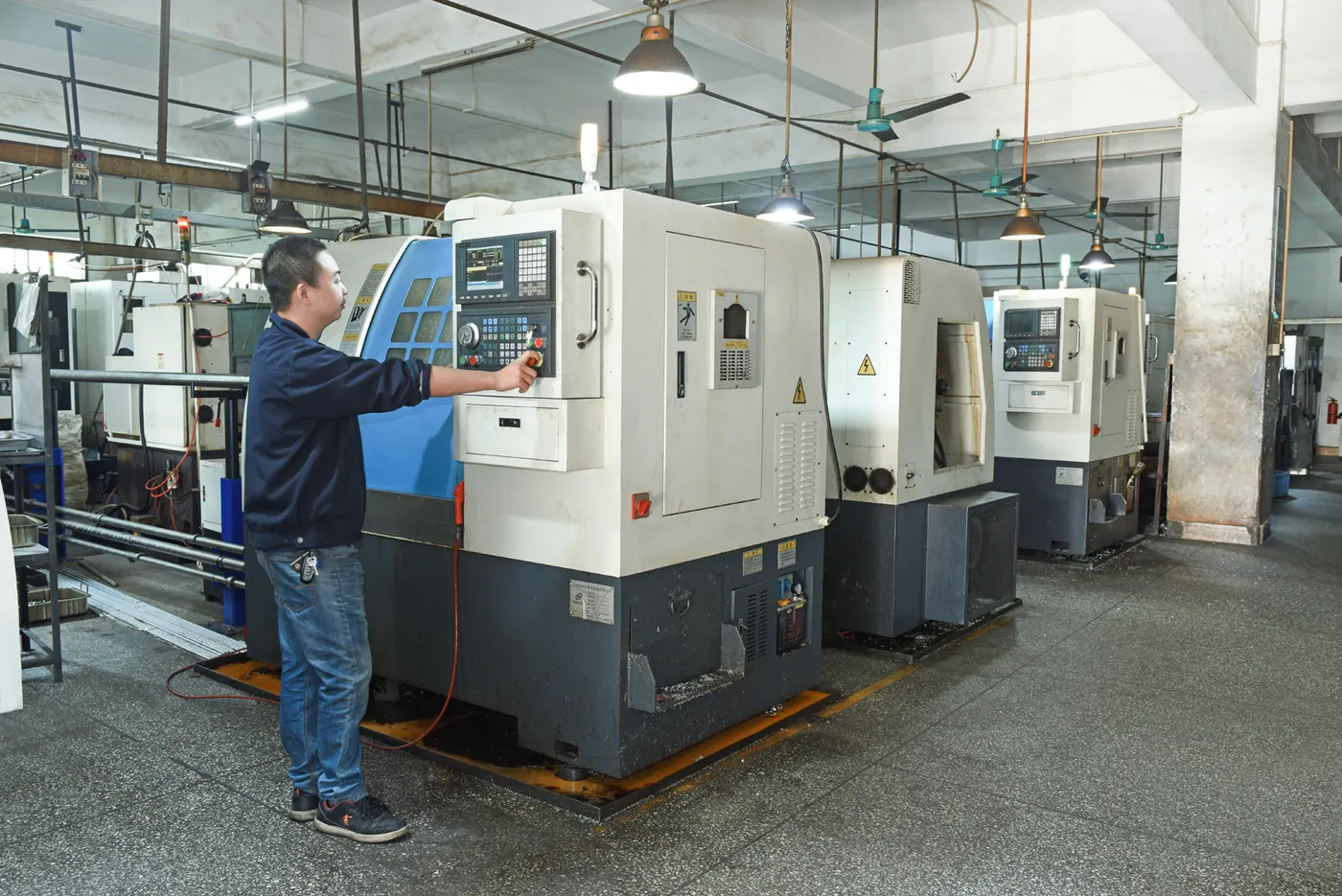
The About Us page includes a factory exterior photograph, a workshop photo carousel, a production line image and views of the reception and team meeting. The Quality and Inspection page presents the supplied ISO 9001:2015 quality management system certificate. These sources provide company context and should be considered alongside the requirements of the actual component being reviewed.
For a project discussion, contact [email protected] or use the Contact Us page. Include the current drawing or sample information, material, finish, quantity and requested timing. Identify any special inspection, documentation or supplier review requirements. Technical details and commercial terms need confirmation for each project; portfolio examples and general website information do not replace an agreed component specification.