
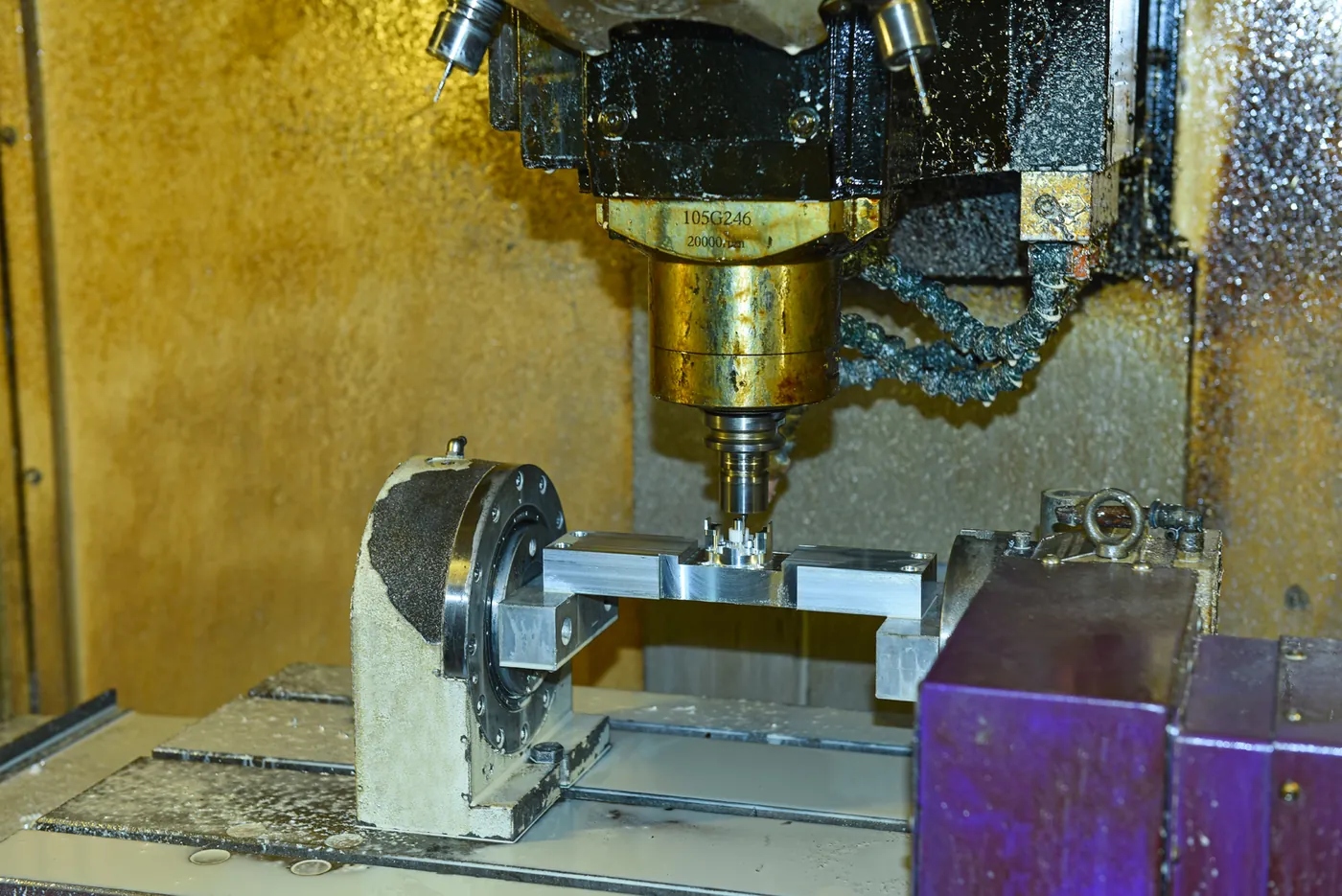
Introducing our turn-mill component examples
Helida's CNC Turn-Mill Parts collection includes nuts, shafts and valve or fluid control component examples. These parts help explain a common feature of custom machining projects: one component may combine rotational geometry with additional details that require a broader process discussion. The collection provides a practical starting point for that conversation.
An online portfolio cannot determine the complete production route for a new design. Similar-looking components may differ in material, feature relationships, inspection requirements or surface treatment. For that reason, Helida reviews the actual drawing or sample information before project requirements and commercial terms are confirmed.
Consider the relationships between features
A component may have an outside diameter, an internal bore and a thread, together with flats or other features used during assembly. Buyers should explain which details locate the part and which control its function. The relationship between two features can be more important than either dimension viewed separately.
If a part must align with a shaft, housing or mating connector, include the relevant interface information. A short explanation of how the component is assembled can help identify the right questions for technical review. It can also clarify whether the drawing needs additional notes before it becomes the basis of a quotation.
Thread and connection details deserve particular attention
Thread descriptions should provide the information needed to distinguish the intended connection from a visually similar alternative. Identify the thread specification and any required gauges or mating references. If a sealing surface, shoulder or seating feature works with the thread, show its requirements rather than leaving that relationship to inference.
Components used in a fluid-related assembly may also have project-specific cleanliness, finishing or inspection expectations. Raise these during the enquiry stage and request confirmation of the scope. A general product category is not evidence that a component is approved for a particular pressure, fluid or operating condition.
Define the supply condition clearly
Before comparing quotations, establish what the finished component should include. The supply condition may involve a particular material, surface finish, protected area, deburring requirement or identification method. If certain requirements come from an internal specification, provide the document or the relevant details with the drawing.
Packaging requirements can also be discussed in relation to the component. A surface that must remain free from damage may need different handling from a general noncosmetic surface. Buyers should identify these concerns in advance so they can be reviewed alongside the production and delivery arrangements, rather than being introduced after an order has been agreed.
Start with a complete project package
Browse the CNC Turn-Mill Parts collection for examples related to your component family. Then prepare the current drawing, material specification, expected quantity, finish and requested timing. Highlight any feature relationships or inspection records that are essential to acceptance.
If you are working from a sample, explain whether it represents a fully approved design or an earlier version. Indicate the features that need to be retained and any planned changes. This context helps separate the purpose of the reference sample from the formal requirements of the new component.
Our Capabilities page introduces the three machining categories used across the Helida website. For a detailed discussion of your own part, contact our team with the project information. The goal is to establish a clear, shared specification before making assumptions about the manufacturing route or the final supply condition.
Keep the whole component in view
A turn-mill enquiry can become confusing when the part is discussed as a collection of unrelated features. Start with the complete component and explain its role, then identify the details that need particular attention. A shaft feature, a nut-like section or a valve-related connection may each be familiar on its own, but their relationship in the finished part is what the drawing needs to communicate.
Provide enough views to make the geometry understandable. If the model and drawing serve different purposes, explain which document controls the requirements. The goal is not to prescribe a manufacturing sequence from the buyer's side. It is to provide a complete and consistent specification so the manufacturer can review the project without filling important gaps with assumptions.
Discuss interfaces using controlled references
An interface description should distinguish a formal requirement from useful background. A photograph of the mating assembly may provide context, while a controlled interface drawing establishes the geometry that must be followed. Label those references appropriately so their purpose is clear. This is especially useful when the enquiry includes an older sample or a previously used component.
If your team supplies a gauge or mating part for evaluation, identify its status and the question it is intended to answer. The project discussion should clarify whether it supplements the drawing or forms part of an agreed acceptance method. A physical reference can be valuable, but it should not create uncertainty about which requirement governs when references appear to disagree.
Separate connection requirements from operating claims
A machined thread or valve-related feature is not, by itself, evidence that a component is suitable for every operating condition. Buyers should identify the intended application requirements and explain what evidence is expected from the component supplier. If the requirement concerns a completed system or a customer assembly, make that boundary visible in the discussion.
This helps prevent an enquiry for machining work from being interpreted as a broader qualification request without an agreed scope. Ask directly about any documentation, test or approval step that matters to the purchasing decision. Where a requirement cannot yet be confirmed, treat it as an open item rather than assuming a general portfolio description resolves it.
Review the part after finishing as well as before it
If a finish is specified, explain the supply condition against which the component will be accepted. Identify protected areas and the requirements of surfaces that interact with other parts. Where your drawing or internal standard addresses dimensional requirements after finishing, provide that information clearly enough to be reviewed with the rest of the project package.
Buyers should also separate appearance expectations from other finishing requirements. A color reference, a cosmetic standard and a dimensional acceptance requirement answer different questions. Discussing them separately makes it easier to identify whether a quotation includes the requested work and whether a reference sample or additional clarification is needed before the scope can be agreed.
Define the purpose of a first sample
If a sample is requested, state what the buyer plans to evaluate and which characteristics require documentation. A sample intended for a fit discussion may not answer every question involved in a final production approval. The parties should establish the scope of the sample stage rather than treating the word sample as a complete instruction.
After evaluation, provide feedback against the agreed requirement. Identify the feature and drawing revision, explain the decision and distinguish a requested design change from a concern about the supplied component. Clear feedback supports the next technical discussion and reduces the risk of applying an old instruction to a newly revised part.
Keep commercial options traceable
When requesting several quantities or supply options, label them consistently. If one option includes additional inspection documentation, a different finish or a special packaging arrangement, show that distinction clearly. A quotation is easier to assess when each price and timing response can be traced to a particular version of the requirement.
Do not carry a conclusion from one option into another without review. A discussion of a sample quantity does not automatically establish production timing, and a proposal for one material does not confirm an alternative. The most useful comparison is one based on the same component specification, quantity and agreed scope, with any alternatives identified as separate proposals.
Questions to resolve before agreement
Before moving forward, confirm that both parties refer to the same drawing revision, material and finishing requirements. Ask whether any feature, inspection record or delivery instruction remains open. Identify how subsequent changes will be communicated and who can approve them within your organization. This creates a clearer handover from an exploratory enquiry to a defined purchasing discussion.
About Dongguan Helida Hardware
Dongguan Helida Hardware Co., Ltd. is based in Dalang Town, Dongguan, Guangdong, China. The company's introduction traces the business to 2001. Its website presents CNC turning, CNC milling and CNC turn-mill component examples, supported by company-supplied factory photographs and quality information. The product collections are intended to help visitors identify a relevant starting point for a drawing-based enquiry.
The About Us page includes a factory exterior photograph, a workshop photo carousel, a production line image and views of the reception and team meeting. The Quality and Inspection page presents the supplied ISO 9001:2015 quality management system certificate. These sources provide company context and should be considered alongside the requirements of the actual component being reviewed.
For a project discussion, contact [email protected] or use the Contact Us page. Include the current drawing or sample information, material, finish, quantity and requested timing. Identify any special inspection, documentation or supplier review requirements. Technical details and commercial terms need confirmation for each project; portfolio examples and general website information do not replace an agreed component specification.