Quality begins with a shared requirement
For a custom machined component, quality is most useful when it is discussed in concrete terms. Buyers and manufacturers need a shared understanding of the drawing, material, finish and inspection expectations. Helida's quality information is presented alongside its machining portfolio so these questions can form part of the project discussion from the beginning.
Our company materials include an ISO 9001:2015 quality management system certificate for Dongguan Helida Hardware Co., Ltd. The supplied certificate identifies the production of hardware products within its scope. It is available on the website's Quality and Inspection page for buyers who wish to review the document as part of their supplier evaluation.
Understand what a certificate does and does not establish
A quality management system certificate is one part of a supplier review. It should be read with attention to the named company, stated scope and validity information. It does not replace the requirements for a particular component, and it should not be treated as approval of a finished medical device, aircraft assembly or other customer application.
Buyers with specific qualification requirements should identify them directly. If your organization needs additional documents, a supplier questionnaire or particular approval steps, raise those points before the order is placed. The required evidence and review process can then be discussed rather than assumed from a general website statement.
Translate drawing requirements into inspection questions
An effective technical discussion identifies the characteristics that will be used to accept the component. These may include dimensions, feature relationships, surface requirements or other drawing notes. Buyers should highlight critical features and explain any requested reporting format, sampling approach or customer-specific document requirement.
It is also useful to clarify the drawing revision and the relationship between a model and a drawing. A mismatch between files can affect both manufacturing and inspection. Confirming the controlling information early helps prevent a later disagreement about which version of the component was intended.
Agree the documentation before production
Inspection documentation should be part of the agreed project scope. If you need a dimensional report, material documentation or a particular record format, include that request with the enquiry. Availability, content and any additional work should be confirmed during quotation review.
The same principle applies to special acceptance arrangements. A customer gauge, mating component or reference sample may be important to a project, but its intended use should be described clearly. The parties can then discuss how it fits into the review and acceptance process, including any limitations that need to be resolved before production begins.
Review the evidence in context
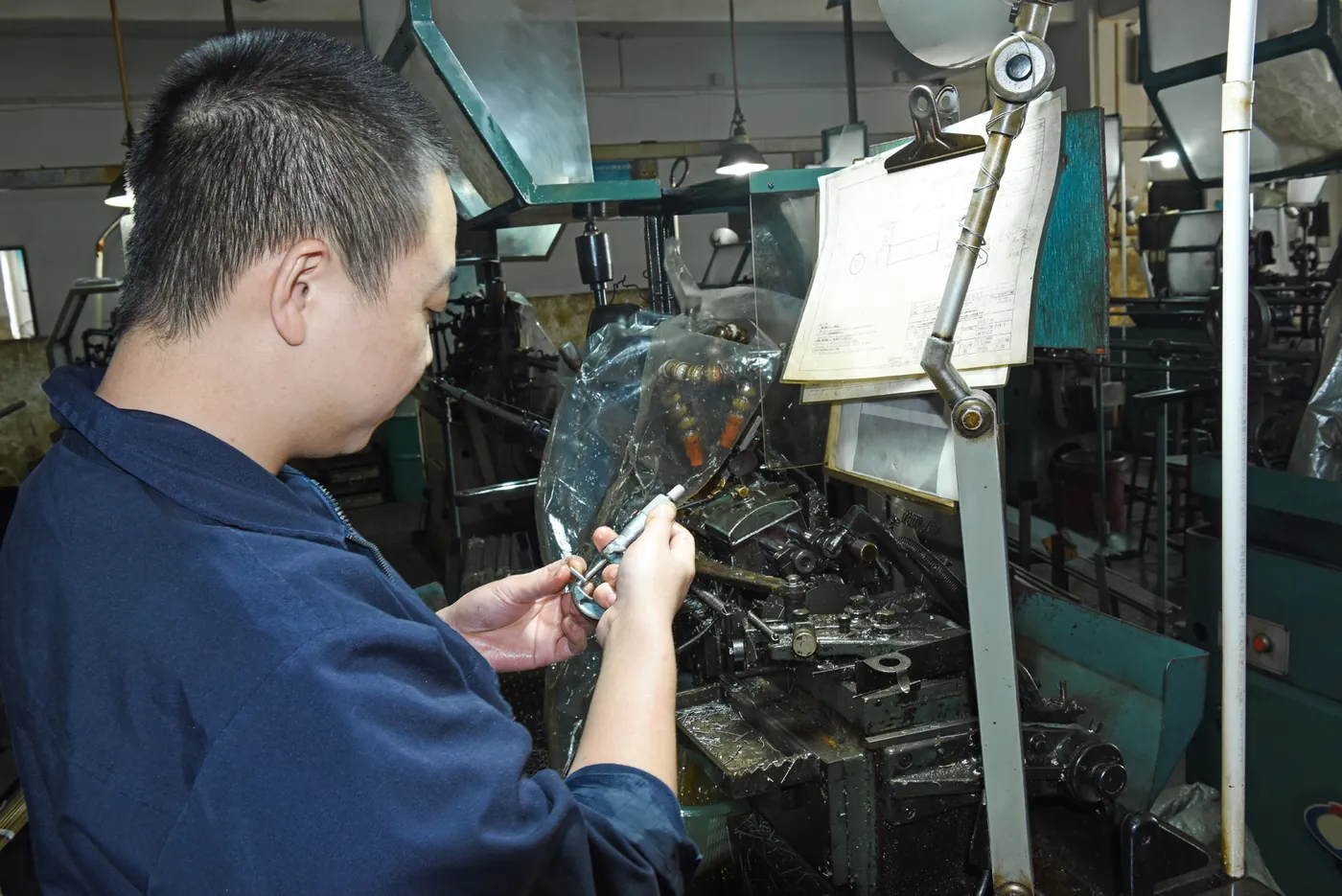
Our original workshop photographs show the production environment and examples of component work. They provide company context alongside the certificate and product portfolio. Photographs cannot demonstrate the measured result of a specific order, so buyers should use them as part of a broader conversation rather than as a substitute for project documentation.
Visit Quality and Inspection to review the supplied quality information, or browse About Helida for the factory tour. To discuss a new component, send our team the drawing and acceptance requirements. Clear information at this stage helps align the quotation, manufacturing discussion and inspection expectations around the same component specification.
Build an acceptance plan from actual requirements
An acceptance discussion should identify what the buyer needs to know about the supplied component. Begin with the drawing and material specification, then identify any additional records or checks required by the purchasing process. Keep these requests concrete. A request for good quality expresses an expectation, but it does not explain the dimensions, documents or acceptance decisions that the supplier must address.
Your organization may already have a standard form or process. Share the relevant requirements and explain any notation that is not self-evident. The manufacturer can then identify questions and discuss the requested scope before production is agreed. This is more useful than assuming that a general certificate or a photograph defines the acceptance plan for every component.
Distinguish document review from part review
Company documents and component records serve different purposes. A company certificate provides information about a named organization and a stated scope. A component drawing defines requirements for a particular part. An inspection record, when included in an agreed order scope, relates to a particular set of characteristics or supplied items. These documents should be considered together without treating them as interchangeable.
For example, a buyer may accept a supplier document while still requiring additional information about a component. Conversely, a satisfactory component evaluation does not automatically complete every supplier onboarding requirement. Keeping these decisions separate allows the project team to identify what has been reviewed and what still needs action before a purchasing decision is made.
Make critical requirements visible without ambiguity
If your engineering team marks special characteristics, explain what those markings mean and what additional evidence is expected. Identify the current revision and check that the enquiry package does not include conflicting files. A clear instruction should allow both parties to understand the requirement without relying on an informal memory of an earlier conversation.
Avoid using a long list of equally emphasized notes when some requirements have a distinct purpose or approval process. Organize the information so it is possible to see which features control assembly, which concern appearance and which require a separate record. This does not reduce the importance of the rest of the drawing; it makes the acceptance discussion easier to follow.
Request records that support a real decision
An inspection document is useful when the buyer knows how it will be reviewed. Identify the information needed, the expected format and the point at which it should be supplied. If your organization uses a customer-specific form, provide it during the enquiry rather than assuming that it can be introduced without affecting the agreed scope later.
The same principle applies to material documentation and other supporting records. Explain the requirement precisely and ask for confirmation. Do not infer that a general reference to quality includes every document your internal process may require. A focused request gives the manufacturer a clearer basis for responding and makes it easier to identify any limitation before an order is agreed.
Handle changes through a visible process
Requirements can change during a project, but the change should be identifiable. Send the revised document, describe the change and explain which previous instruction it replaces. If the change affects a characteristic already discussed for inspection, include that relationship in the update. This prevents an old acceptance instruction from remaining in use after the design has moved on.
When feedback concerns a supplied sample, reference the drawing requirement and the observed issue. If the buyer decides to change the design instead, identify that as a separate decision. Distinguishing the two makes communication more precise and supports a practical discussion of the next agreed step without obscuring the status of the original requirement.
Read the certificate directly
Visitors should examine the certificate image on the Quality and Inspection page rather than relying only on a summary in an article. Check the company identity, scope and validity information against your own review needs. If a current copy or additional clarification is needed, request it directly from the Helida team before completing your supplier evaluation.
This article does not independently verify a certification body or extend the supplied document's scope. It explains how the company presents its quality information and how buyers can connect that information to a component-specific discussion. The next step is to identify the evidence your project requires and confirm how it will be addressed in the proposed supply.
Keep a clear record of unresolved items
Before concluding the quality discussion, list any requirement that still needs confirmation. Identify the document or component feature concerned and the evidence your organization expects. If a decision depends on a revised drawing or a customer review, record that dependency instead of treating the item as complete. A short open-item record can help the engineering and purchasing teams see the same project status. It also gives the next conversation a clear starting point and reduces the chance that an unanswered question will be overlooked when the order scope is discussed.
About Dongguan Helida Hardware
Dongguan Helida Hardware Co., Ltd. is based in Dalang Town, Dongguan, Guangdong, China. The company's introduction traces the business to 2001. Its website presents CNC turning, CNC milling and CNC turn-mill component examples, supported by company-supplied factory photographs and quality information. The product collections are intended to help visitors identify a relevant starting point for a drawing-based enquiry.
The About Us page includes a factory exterior photograph, a workshop photo carousel, a production line image and views of the reception and team meeting. The Quality and Inspection page presents the supplied ISO 9001:2015 quality management system certificate. These sources provide company context and should be considered alongside the requirements of the actual component being reviewed.
For a project discussion, contact [email protected] or use the Contact Us page. Include the current drawing or sample information, material, finish, quantity and requested timing. Identify any special inspection, documentation or supplier review requirements. Technical details and commercial terms need confirmation for each project; portfolio examples and general website information do not replace an agreed component specification.