
A portfolio built around component requirements
Helida's CNC Milling Parts collection includes medical equipment components, brackets and mounts, UAV components and new energy component examples. Together, these product groups show why industrial milling enquiries need more context than a single photograph. Components may look simple from one angle while depending on carefully defined features that become clear only in the drawing.
This company spotlight introduces the collection and explains how buyers can prepare a useful starting package. It is intended for teams comparing machining options, developing a new part or reviewing an existing component for supply. Final process selection and project specifications are discussed against the actual geometry and requirements.
Mounting features connect the part to its purpose
Brackets and mounts often exist to position, support or connect other components. Their useful features may include hole patterns, locating faces, pockets and threaded connections. The relationship between these details can matter more than the general outside shape, particularly when the part must fit into an existing assembly.
Show the surfaces and features used to locate the part. If an assembly drawing or a simple interface sketch helps explain the function, include it with the enquiry. Clear context can reveal questions that are difficult to identify from an isolated model, such as access for fasteners or a surface that must remain free of a coating.
Distinguish functional requirements from appearance
A buyer may need both a consistent external appearance and particular dimensional relationships. These are separate requirements and should be communicated separately. Identify visible surfaces, cosmetic expectations and any finish reference that will be used for evaluation. At the same time, mark the features that control assembly or alignment.
Avoid relying on an online image to define a color or texture precisely. Screen settings and lighting can change the way a finish appears. Where appearance is important, agree how it will be evaluated and whether a reference sample is needed. This keeps the approval process grounded in something both parties can assess.
Bring the drawing and model into alignment
If you provide both a drawing and a three-dimensional model, identify their revision and explain which document controls the manufacturing requirements. Different file versions can create uncertainty even when they appear to describe the same part. Resolving those differences early is more efficient than leaving the manufacturer to choose between conflicting details.
Where a design is still developing, separate confirmed requirements from features that remain open for discussion. Ask specific questions about the areas you would like reviewed. This allows the conversation to distinguish a technical suggestion from an approved design change, and prevents an exploratory discussion from being mistaken for a released specification.
Explore the collection and prepare your enquiry
The CNC Milling Parts collection is a useful starting point for finding an example related to your application. Our Applications page gives additional context for medical equipment, UAV and new energy, and fluid control projects. These pages help organize the conversation without implying that all parts within an industry use the same material or process.
When you contact Helida, include the drawing, material, finish, quantity and requested timing. Explain the role of the component and identify any inspection or documentation requirements. A clear enquiry gives both parties a stronger basis for discussing the machining route, open questions and the scope of the proposed quotation.
Describe the mounting problem behind the component
A mounting component is easier to discuss when its purpose is clear. Explain what it supports, where it locates and how the surrounding assembly constrains it. An outline drawing can show the part itself, while an assembly view can reveal an access or interface question that the isolated geometry does not make obvious. Provide the views that help explain the requirement without overwhelming the enquiry with unrelated documents.
This context is particularly useful when more than one solution is being considered. Identify whether the drawing is released for quotation or whether you want to discuss an open design question. A manufacturer can then distinguish a request to review an option from an instruction to supply a defined component. That distinction keeps technical suggestions and purchasing decisions from becoming mixed together.
Identify features that work together
Hole positions, locating surfaces and adjacent features may need to be considered as relationships rather than independent dimensions. The drawing should communicate those relationships in a form that your engineering and inspection teams can explain. If a customer-specific standard is referenced, make the relevant requirement available or identify how it will be reviewed during the project discussion.
Do not assume that a manufacturer can infer an assembly requirement from a photograph of a finished part. A picture may hide a feature or make two surfaces appear aligned when the actual requirement is more specific. Highlight the dimensions and notes that control the component's intended role, and invite questions where the document could reasonably be interpreted in more than one way.
Keep cosmetic choices separate from geometry changes
A surface finish request and a geometry change can affect different parts of the specification. If the design evolves, explain which changes are visual and which alter the component's fit or function. This is useful when a prototype is being reviewed by several teams with different priorities, such as engineering, purchasing and product design.
Where appearance must match an existing assembly, agree how that match will be assessed. A photograph can help explain the intended direction but may not provide a complete acceptance standard. Specify visible surfaces and any areas where marks or differences require special attention. Clear boundaries help prevent a broad appearance preference from being interpreted as an unstated requirement across the entire component.
Think about handling before the part leaves the factory
Components with projecting features, finished faces or particular identification needs may require handling instructions. If your purchasing process expects a certain packaging arrangement or part separation, include that information with the enquiry. The manufacturer can then discuss the requirement as part of the scope instead of discovering it after the quotation has been accepted.
Avoid assuming that a packaging instruction used for one part is automatically suitable for another. Describe the concern you are trying to address, such as protecting a visible surface or keeping different component revisions separate. This gives the discussion a practical purpose and helps distinguish a functional handling requirement from a general preference about presentation.
Make comparison enquiries consistent
When several suppliers review a milling project, send the same revision, quantity and finish requirements to each. If one supplier proposes an alternative, keep that proposal distinct from the original request. Comparing a revised material or a changed scope against an unchanged quotation can lead to an apparent price difference that does not represent the same component.
A comparison table can identify the drawing revision, material, finish, quantity, requested documentation and open questions. Your team can use its own format; the important point is that each response can be traced to a defined requirement. This approach supports a clearer purchasing decision without reducing the evaluation to a single number detached from its technical assumptions.
Plan how a sample will be evaluated
If the project includes a sample stage, explain the decision the sample is intended to support. It may be a fit review, an appearance review or another agreed evaluation. Identify the characteristics that need confirmation and the documents your team expects to receive. The supplier can then discuss the requested scope and any information still needed to make the sample requirement clear.
Keep feedback specific. Instead of saying that the sample needs improvement, identify the feature, the requirement and the observed difference. If the requirement changes during review, issue the revised instruction through your normal project process. This helps both parties distinguish a manufacturing question from a design change and provides a clearer basis for the next discussion.
Use the collection as a navigation tool
The medical, mounting, UAV and new energy examples in Helida's milling portfolio make it easier to find a relevant conversation starter. They do not eliminate the need for an actual drawing package. Refer to the example that best explains your component family, then identify the differences that matter to your own project. This combines the convenience of a portfolio with the precision of a controlled enquiry.
About Dongguan Helida Hardware
Dongguan Helida Hardware Co., Ltd. is based in Dalang Town, Dongguan, Guangdong, China. The company's introduction traces the business to 2001. Its website presents CNC turning, CNC milling and CNC turn-mill component examples, supported by company-supplied factory photographs and quality information. The product collections are intended to help visitors identify a relevant starting point for a drawing-based enquiry.
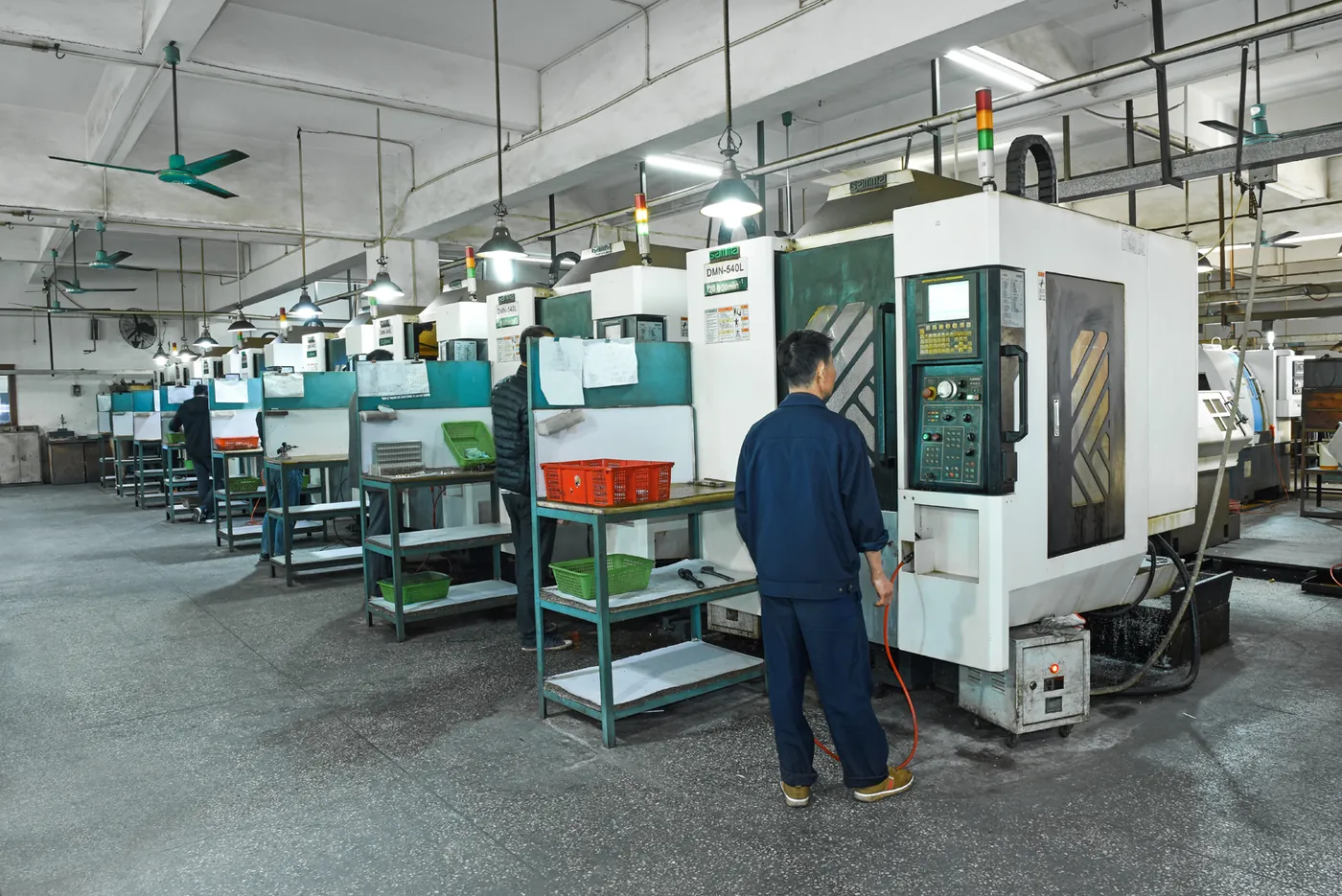
The About Us page includes a factory exterior photograph, a workshop photo carousel, a production line image and views of the reception and team meeting. The Quality and Inspection page presents the supplied ISO 9001:2015 quality management system certificate. These sources provide company context and should be considered alongside the requirements of the actual component being reviewed.
For a project discussion, contact [email protected] or use the Contact Us page. Include the current drawing or sample information, material, finish, quantity and requested timing. Identify any special inspection, documentation or supplier review requirements. Technical details and commercial terms need confirmation for each project; portfolio examples and general website information do not replace an agreed component specification.