
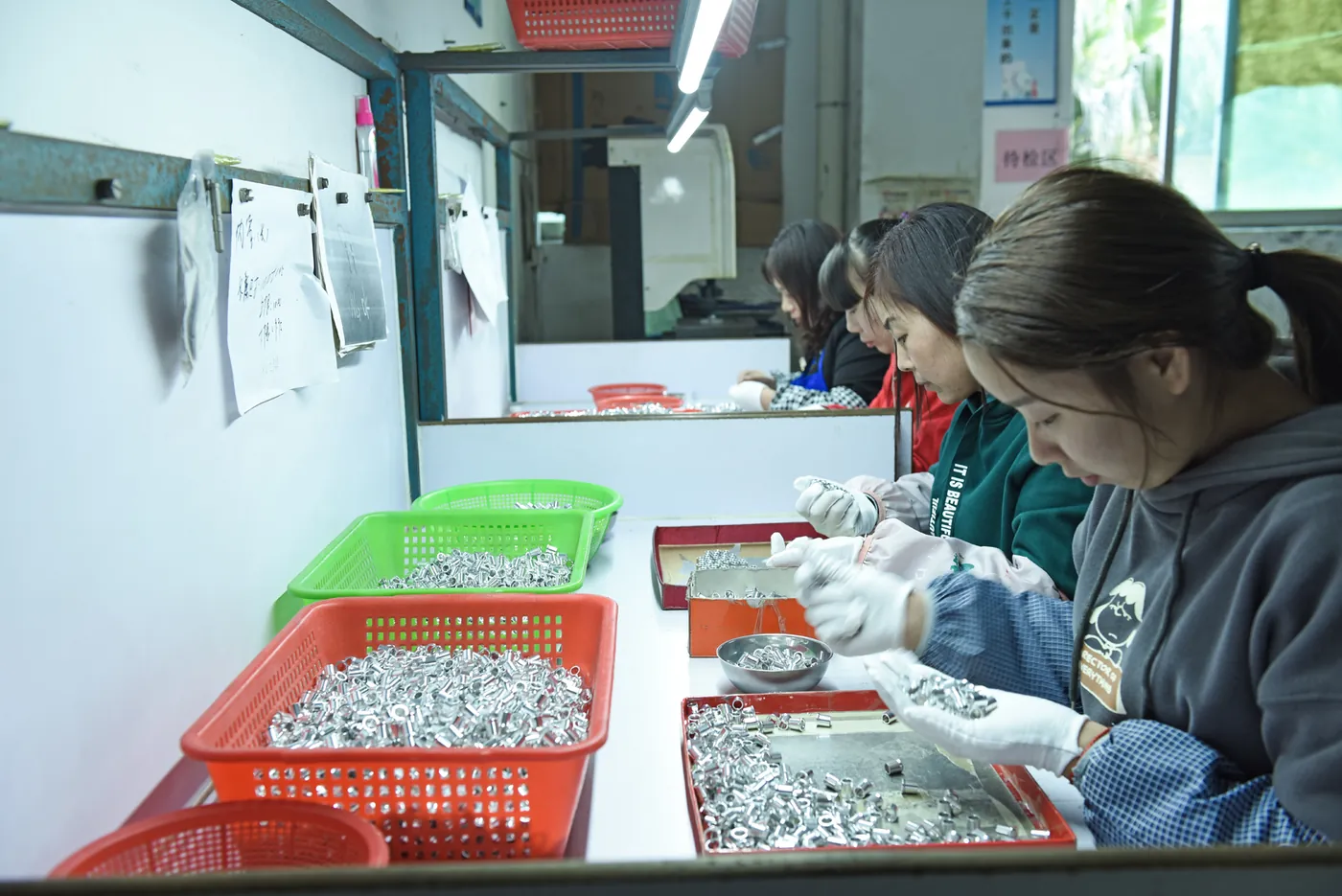
A factory tour with more than one viewpoint
The Helida website includes an original photo tour covering the factory exterior, machining workshop, production line, reception and team meeting. This company spotlight looks at how those photographs can help a buyer prepare for a more useful supplier conversation. The tour brings together different aspects of the business instead of presenting the factory through a single machine image.
The photographs are company-supplied views of the working environment. They should be understood as visual context rather than a promise about the exact layout, staffing or capacity available on the date of a future order. Current project arrangements and visit plans should always be confirmed directly with our team.
Explore the workshop carousel
The Machining Workshop section on our About Us page contains thirteen photographs. Visitors can browse the carousel with the navigation arrows or swipe through it on a phone. The images include wider production views, equipment layouts, machine operation and close views of component work.
Looking at several photographs can help a buyer frame more specific questions. You may want to discuss the proposed process for a part, the information needed for technical review or the practical steps involved in preparing a sample. The photographs create a starting point for those questions, while the drawing and project requirements determine the substance of the review.
Production is also about people and communication
The production line photograph and team meeting image add another perspective to the company introduction. Industrial supply depends on communication as well as equipment: requirements need to be understood, open questions need to be resolved and changes need to be communicated clearly between the parties.
For buyers, this means preparing a concise explanation of the component and the decision you are asking the manufacturer to make. A message that separates confirmed requirements from open questions is easier to review than one that mixes an old drawing, an unapproved model and several possible finishes without identifying a preferred specification.
Use photographs to support a focused discussion
An image can show an environment, but it does not answer every qualification question. It cannot establish the dimensional result of a component, confirm an available delivery slot or demonstrate compliance with an unstated customer requirement. Those matters need direct discussion and, where appropriate, agreed documentation.
If you plan a factory visit, explain the purpose and the areas you would like to discuss. A conversation about a new bracket may require different preparation from a discussion of an existing connector or a proposed turn-mill component. Arranging the visit in advance helps make the meeting more relevant to the actual project.
Bring the project information with you
A useful preparation package includes the current drawing revision, material, finish, quantity and expected timing. Identify critical features, inspection documents and any sample approval steps that matter to your organization. If a physical sample is involved, explain its status and the characteristics it is intended to illustrate.
Explore the About Us photo tour and the machining capabilities before contacting us. You can then refer to the relevant component family or production question in your enquiry. Contact Helida to arrange the next discussion and confirm what information will help our team review your component efficiently.
Read the photo tour as a set of complementary views
The workshop overview, machine operation and close component photographs show different aspects of the production environment. Wider views help a visitor understand the setting, while closer images make the type of activity easier to recognize. Neither view replaces a current discussion about the component you need to source, but together they provide a more useful company introduction than an isolated image.
When browsing, note the questions the photographs raise rather than drawing conclusions beyond what is visible. You may want to ask about a proposed process, arrange a closer discussion of a component family or clarify how a sample project would begin. A photograph becomes useful purchasing context when it leads to a specific, answerable question.
Keep the people visible in the conversation
A manufacturing enquiry often involves more than one role on the buyer's side. Engineering may define the part, purchasing may compare proposals and another team may review documentation or assembly feedback. Identify the relevant decision-makers and make it clear who can confirm requirements. This helps prevent a technical question from remaining unresolved because it reached the wrong person.
The same practical approach can be used when contacting Helida. Introduce the project, explain the question and identify the information you need in response. Where a discussion involves several related parts, keep their names and revisions visible. Organized communication gives the technical and commercial review a clearer structure without depending on assumptions about internal responsibilities.
Prepare an agenda around the actual component
A meeting agenda does not need to be complicated. It can identify the part, the documents to review, the unresolved requirements and the decision expected from the discussion. If the conversation includes a sample or a proposed change, explain its status before the meeting. This helps participants arrive with the same understanding of what is being considered.
For a factory visit, ask which arrangements need confirmation in advance. Share the project context and the areas you would like to discuss. A visit is more useful when it supports a defined supplier or component evaluation rather than a general assumption that seeing a workshop will answer every technical and purchasing question.
Make follow-up information easy to use
After a conversation, provide a concise record of the requirements that were confirmed and the questions that remain open. Identify any new file revision and the instruction it replaces. If a participant proposed an alternative, distinguish that suggestion from an approved change. This is a practical way to reduce ambiguity when a project moves between teams or develops over several exchanges.
Avoid burying a significant revision in an unrelated message. A clear subject, component reference and description of the change make the update easier to identify. Your organization may have its own document process; the important point is that the manufacturer receives a controlled instruction that can be connected to the right component and stage of the enquiry.
Connect the production line image to your questions
The production line photograph adds context to the wider factory tour. Buyers can use it to frame questions about the steps and handling requirements relevant to their own component. It should not be treated as proof that a particular operation, inspection method or staffing arrangement has been agreed for a new order.
If the component requires specific handling, protection or identification, describe those requirements directly. A photograph of general production work does not define the supply condition of every product. The project discussion should establish what is required, what information is available and which details need further review before the proposed scope can be confirmed.
Use clear expectations for timing and feedback
When requesting a response, explain the decision or milestone your team is working toward. If you need clarification before releasing a drawing, say so. If an initial quotation is intended for planning rather than an immediate order, identify that stage. Context helps separate a preliminary discussion from a firm requirement without requiring either party to infer the buyer's schedule.
Feedback is most useful when it names the component, the requirement and the point to resolve. A general request to improve the proposal may leave the underlying issue unclear. A focused question about a feature, document or scope item gives the next conversation a more practical direction and helps the team identify what can be decided next.
Keep the tour connected to evidence
Visitors can view the original company photographs at larger size from the About Us page. The images introduce the environment and team, while the product collections and quality page provide additional context. Use each source for the information it actually contains, then bring the remaining questions to Helida with the drawing package. This creates a clearer path from a website visit to a purposeful manufacturing discussion.
About Dongguan Helida Hardware
Dongguan Helida Hardware Co., Ltd. is based in Dalang Town, Dongguan, Guangdong, China. The company's introduction traces the business to 2001. Its website presents CNC turning, CNC milling and CNC turn-mill component examples, supported by company-supplied factory photographs and quality information. The product collections are intended to help visitors identify a relevant starting point for a drawing-based enquiry.
The About Us page includes a factory exterior photograph, a workshop photo carousel, a production line image and views of the reception and team meeting. The Quality and Inspection page presents the supplied ISO 9001:2015 quality management system certificate. These sources provide company context and should be considered alongside the requirements of the actual component being reviewed.
For a project discussion, contact [email protected] or use the Contact Us page. Include the current drawing or sample information, material, finish, quantity and requested timing. Identify any special inspection, documentation or supplier review requirements. Technical details and commercial terms need confirmation for each project; portfolio examples and general website information do not replace an agreed component specification.