
A practical introduction to Helida
Choosing a manufacturing partner involves more than comparing a list of machines. Buyers also want to understand the company behind the quotation, the environment in which work takes place and the information needed to begin a useful technical discussion. This company spotlight introduces Dongguan Helida Hardware Co., Ltd. through the factory photographs and machining portfolio presented on our website.
Helida is based in Dalang Town, Dongguan, Guangdong, China. Our company introduction traces the business to 2001. The product portfolio brings together CNC turned, CNC milled and turn-mill components made for drawing-based industrial projects. These examples provide a starting point for discussion; the manufacturing route for a new component depends on its particular requirements.
See the production environment
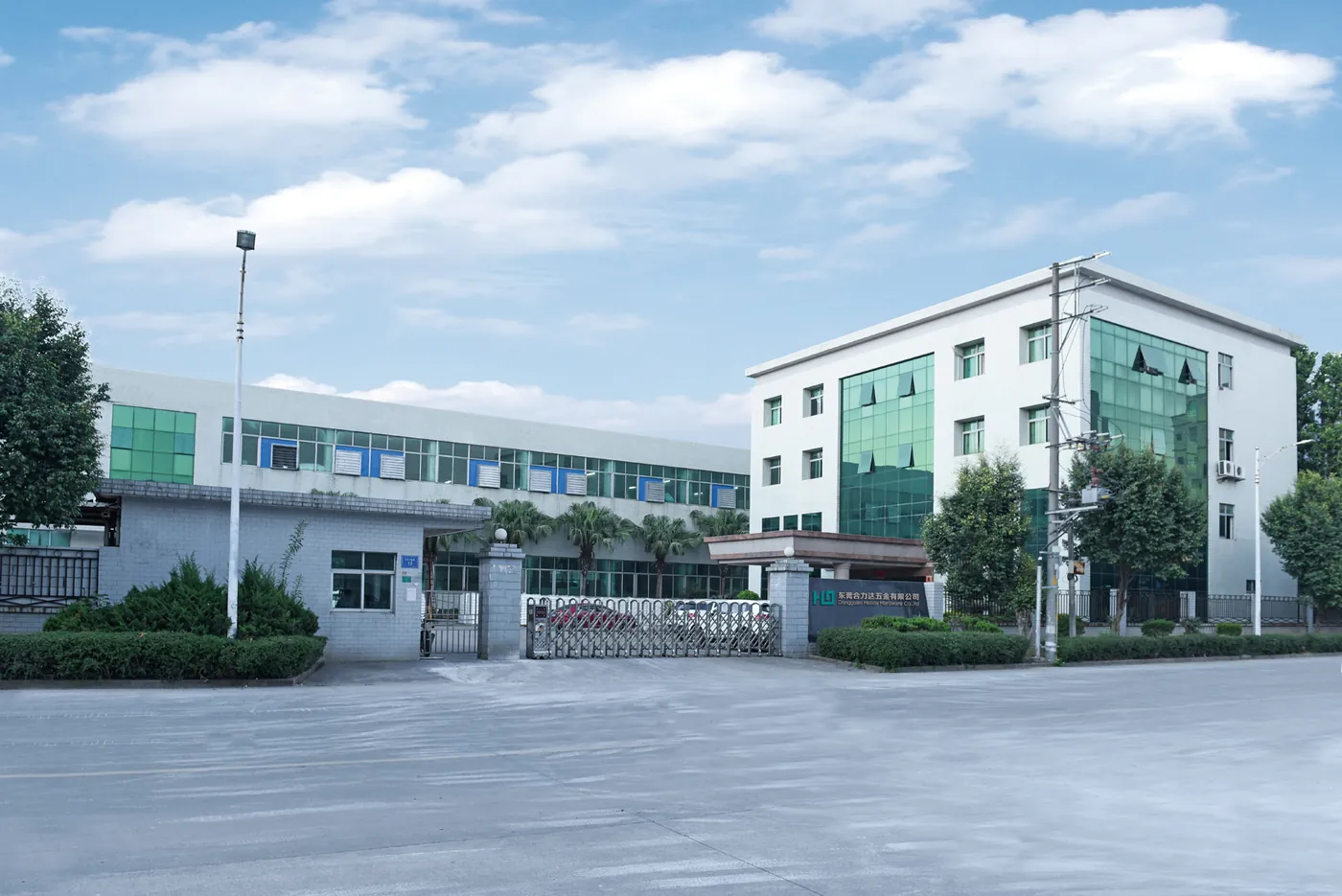
Our About Us page includes original photographs of the factory exterior, machining workshop, production line, reception and team meeting. The workshop photographs show different views of the production environment, including equipment layouts, machine operation and component work. They allow a visitor to look beyond a single promotional image and develop a more rounded impression of the business.
The workshop gallery can be browsed as a carousel. Buyers may move between photographs and open individual images at a larger size. Photographs are useful context, but they cannot establish whether a specific machine, capacity allocation or process is available for a proposed order. Those details should be confirmed during project review.
Understand the three machining categories
The website organizes component examples into CNC Turning Parts, CNC Milling Parts and CNC Turn-Mill Parts. This structure helps visitors find a relevant starting point without assuming that every part belongs to a single simple process. A component with rotational features may also require milled details, while a bracket may need additional finishing or carefully controlled mating surfaces.
When contacting our team, explain the function of the component and identify the features that matter most to its assembly. A drawing communicates geometry, while a short description of the intended application helps put those dimensions into context. Together, they support a more useful discussion than a product photograph alone.
Connect the company information to your project
The factory tour is intended to support supplier evaluation, not replace technical qualification. Buyers can use it alongside the product examples and quality information to prepare focused questions. For instance, ask how a proposed component would be reviewed, which requirements need clarification and what inspection documentation should be included in the quotation.
A practical enquiry normally includes the drawing revision, material specification, finish, quantity and requested delivery timing. If a physical sample is the starting point, explain which features must be reproduced and whether an approved drawing will be available. Highlight any application-specific requirements before the project reaches the quotation stage.
Arrange the next conversation
Helida's address is No. 19, Shafu Road, 2nd Industrial Park of Shabu, Dalang Town, Dongguan, Guangdong, China 523777. Visits should be arranged with our team in advance so the discussion can focus on your component and the relevant production questions. An initial conversation by email can help identify the documents and samples worth preparing.
Explore the factory tour on our About Us page, review our machining capabilities, or contact Helida with your drawings. We welcome clear technical questions and project details that help establish a shared understanding before a quotation is confirmed.
Build a supplier review around evidence
A factory introduction is most useful when it leads to a structured review. Begin with the company identity and location, then consider the product examples, factory environment and quality documents as separate sources of information. Each answers a different question. A photograph shows a place or activity, a portfolio identifies examples, and a certificate provides a document that can be examined within its stated scope. Treating them separately helps avoid asking one piece of evidence to prove something it cannot establish.
Make a short list of the information you already have and the questions that remain open. You may know the general component family but still need to discuss material documentation or sample approval. You may have reviewed a factory photograph but still need to arrange a visit. A clear distinction between available evidence and unanswered questions keeps the evaluation practical and gives the supplier a focused opportunity to respond.
Prepare a purposeful factory conversation
Before arranging a meeting, decide what outcome would make the conversation useful. An engineering team might want to resolve drawing questions, while a purchasing team may need information for a supplier review. Those goals can be related without being identical. Share the agenda and the relevant component documents in advance, particularly when the conversation involves more than one part or a range of possible production quantities.
For a visit, bring a controlled drawing package and a concise list of questions rather than relying only on a physical sample. If several people are involved, identify who can confirm technical requirements and who will review commercial terms. This is a suggested preparation approach for buyers, not a description of a mandatory Helida procedure. The actual arrangements should be confirmed with our team when the visit or meeting is planned.
Keep portfolio comparisons specific
It is natural to look for a part resembling your own. Visual similarity can help establish a component family, but important differences may not appear in a photograph. A bore may have a particular function, a surface may require protection during finishing, or a drawing may call for an inspection record that does not appear in a general product description. These details belong in the project review even when the portfolio example looks familiar.
Use the product reference as an introduction, then describe the differences explicitly. If your part has a changed material, an extra feature or a different quantity requirement, identify that change rather than assuming it will be noticed. This makes the enquiry easier to interpret and helps avoid a quotation based on an incomplete comparison. The submitted drawing and agreed requirements should remain the main reference for the proposed supply.
Organize questions by the decision they support
Some questions concern technical suitability, others concern purchasing administration, and others relate to timing or logistics. Keeping those categories visible can make an initial exchange more efficient. For example, a question about the meaning of a drawing note should be separated from a request for a delivery arrangement. If one answer depends on another decision, make that dependency clear so both parties understand what can be confirmed now and what still needs review.
A simple enquiry record can include the question, the file or feature it concerns and the person responsible for confirming the answer. Buyers may use their own internal format. The purpose is to avoid losing an important requirement in a long email conversation, particularly when the project develops through several versions. A well-organized record supports clear communication without replacing formal drawing control or the terms of an agreed order.
Review website information with appropriate limits
Company information can help narrow a supplier search, but it is not the final qualification step for every application. Your organization may require additional documents, a technical review or a formal approval process. Identify those needs directly and ask how they can be addressed. Do not assume that a general introduction automatically covers a customer-specific requirement, or that a photograph of equipment establishes a confirmed production allocation for a future project.
The same caution applies to commercial expectations. A website can explain how to contact the company and what information to prepare, while the quotation establishes the scope and terms under discussion. Material availability, production timing and delivery arrangements should be reviewed for the actual order. This distinction makes the factory introduction more useful by connecting it to a realistic next step rather than treating it as a substitute for an agreed project specification.
Questions to bring to the first discussion
Useful opening questions include: What drawing information needs clarification? Which component features should receive particular attention? What inspection records should be included in the requested scope? What additional information would help review the quantity and timing? These questions are specific enough to move the discussion forward while allowing the manufacturer to identify the details it needs before reaching a conclusion.
If you are comparing potential suppliers, ask each to review the same controlled package. Differences between quotations are easier to understand when the underlying requirements are consistent. If an alternative is proposed, request that it be identified separately from the original specification. This supports a fair comparison and helps your team distinguish a different technical proposal from a simple price difference.
About Dongguan Helida Hardware
Dongguan Helida Hardware Co., Ltd. is based in Dalang Town, Dongguan, Guangdong, China. The company's introduction traces the business to 2001. Its website presents CNC turning, CNC milling and CNC turn-mill component examples, supported by company-supplied factory photographs and quality information. The product collections are intended to help visitors identify a relevant starting point for a drawing-based enquiry.
The About Us page includes a factory exterior photograph, a workshop photo carousel, a production line image and views of the reception and team meeting. The Quality and Inspection page presents the supplied ISO 9001:2015 quality management system certificate. These sources provide company context and should be considered alongside the requirements of the actual component being reviewed.
For a project discussion, contact [email protected] or use the Contact Us page. Include the current drawing or sample information, material, finish, quantity and requested timing. Identify any special inspection, documentation or supplier review requirements. Technical details and commercial terms need confirmation for each project; portfolio examples and general website information do not replace an agreed component specification.